SHRIMP DANCE
Your sadness is political
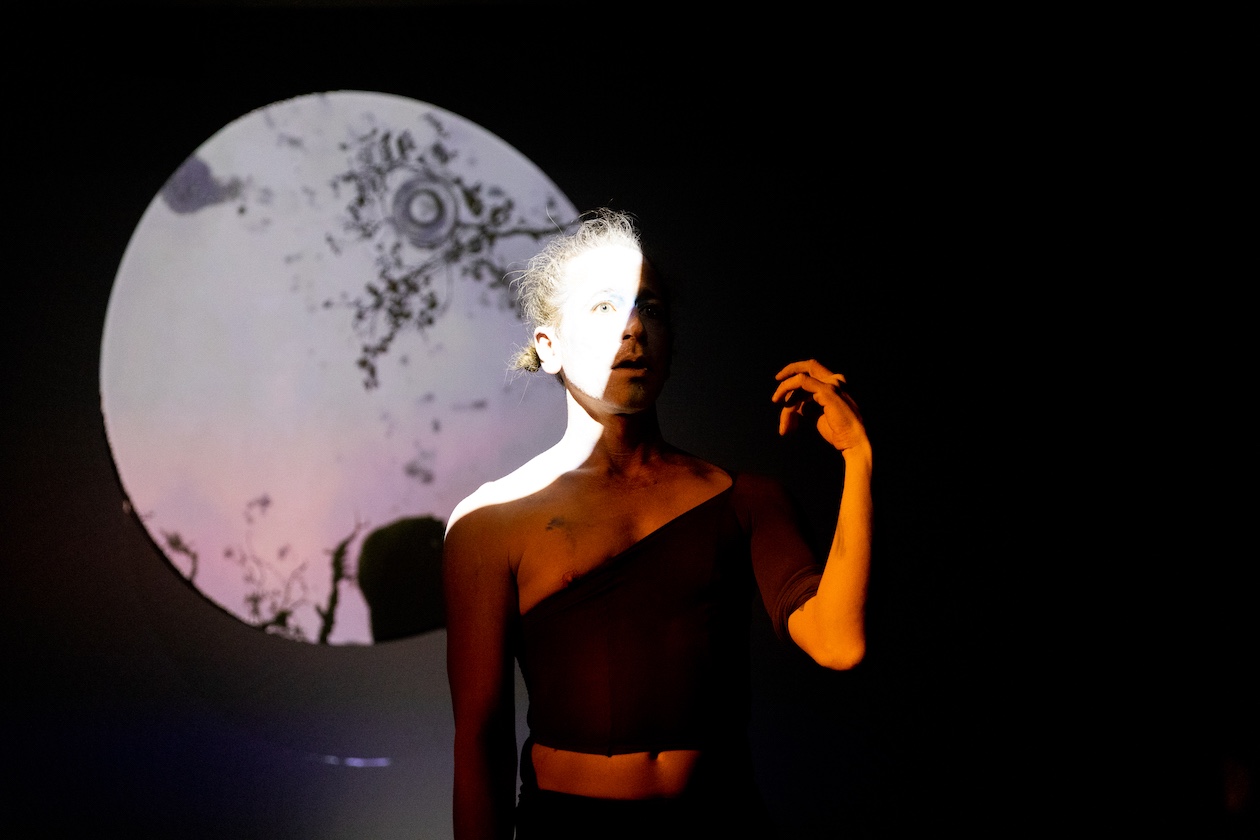
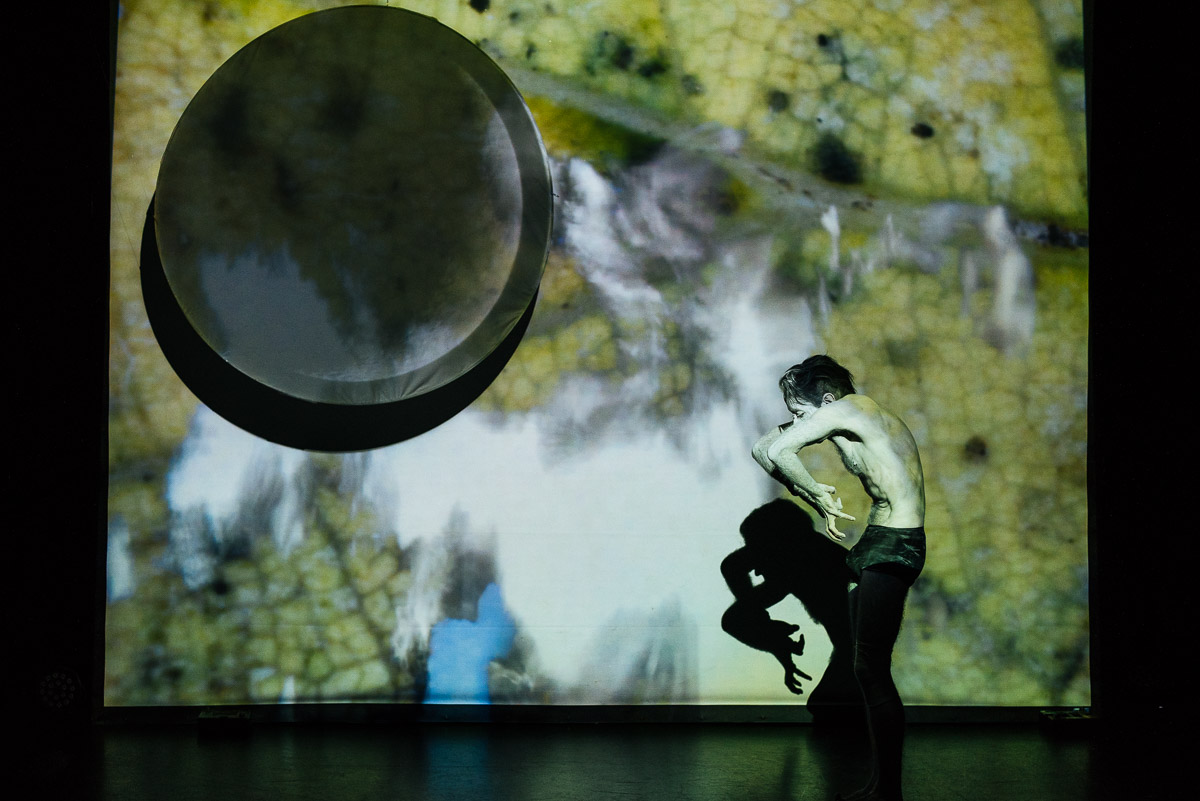
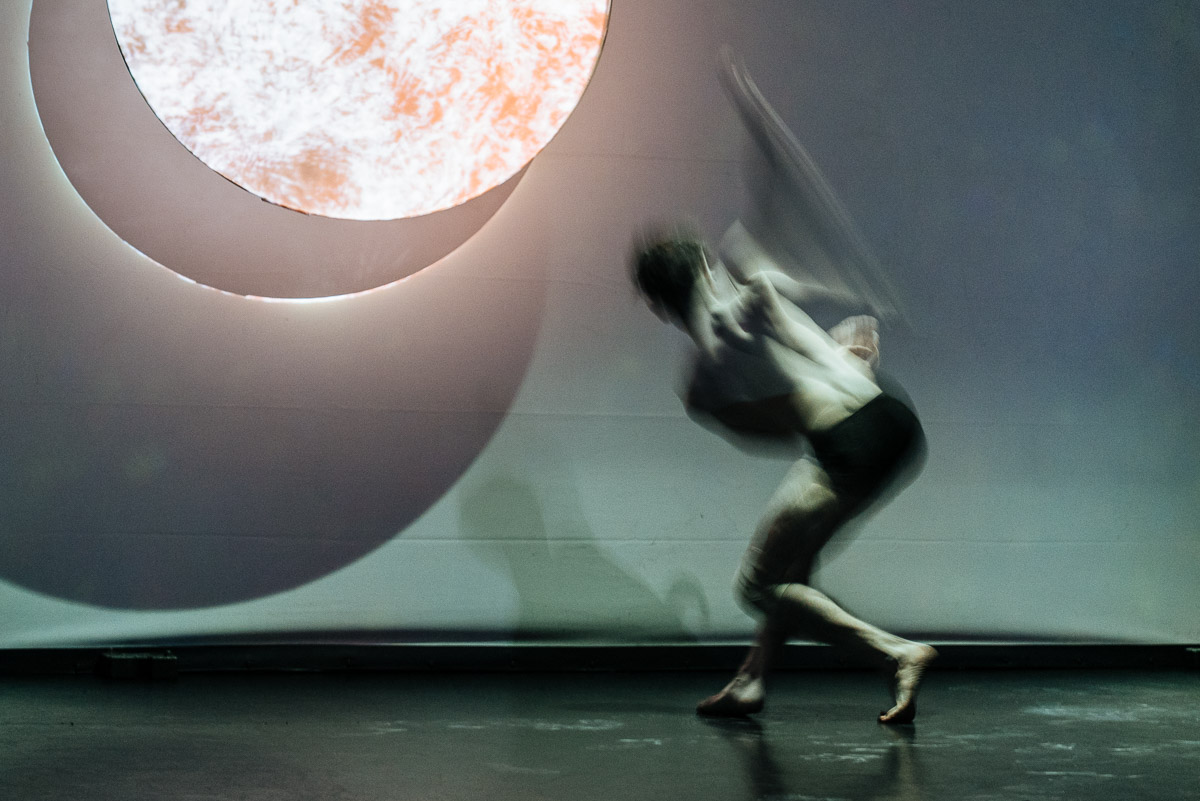
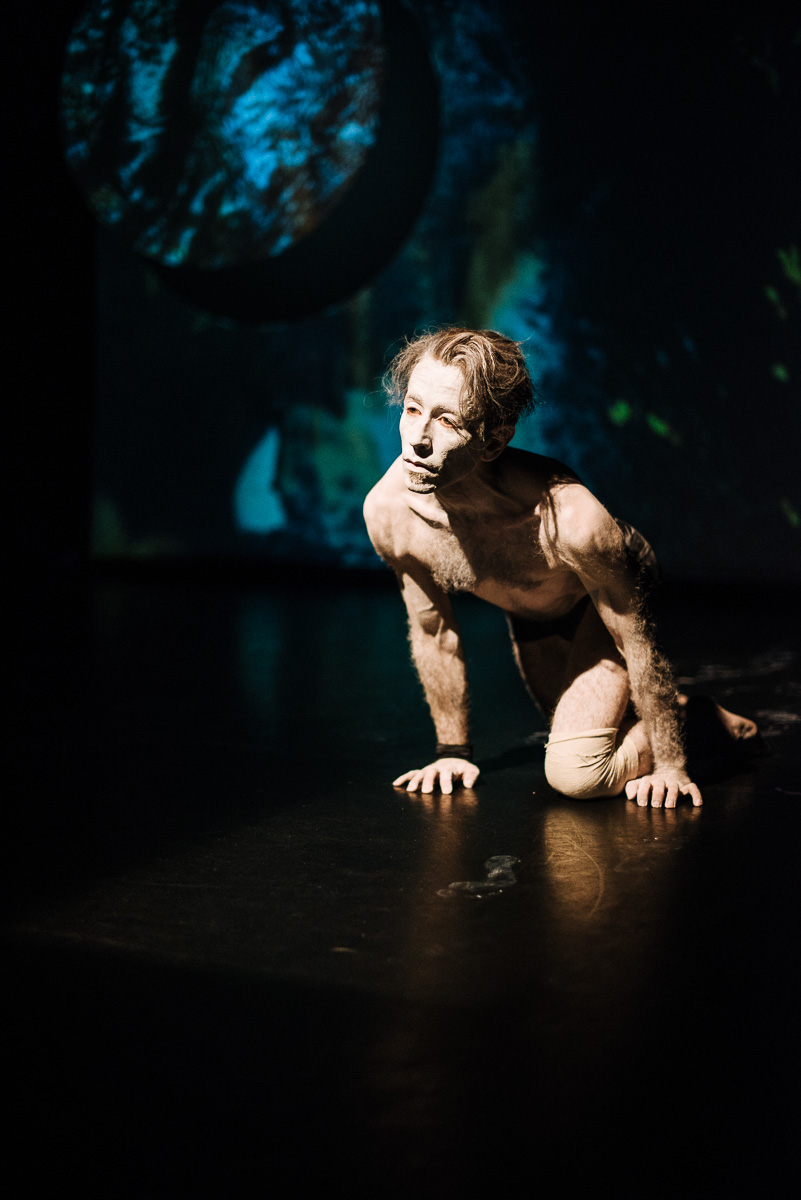
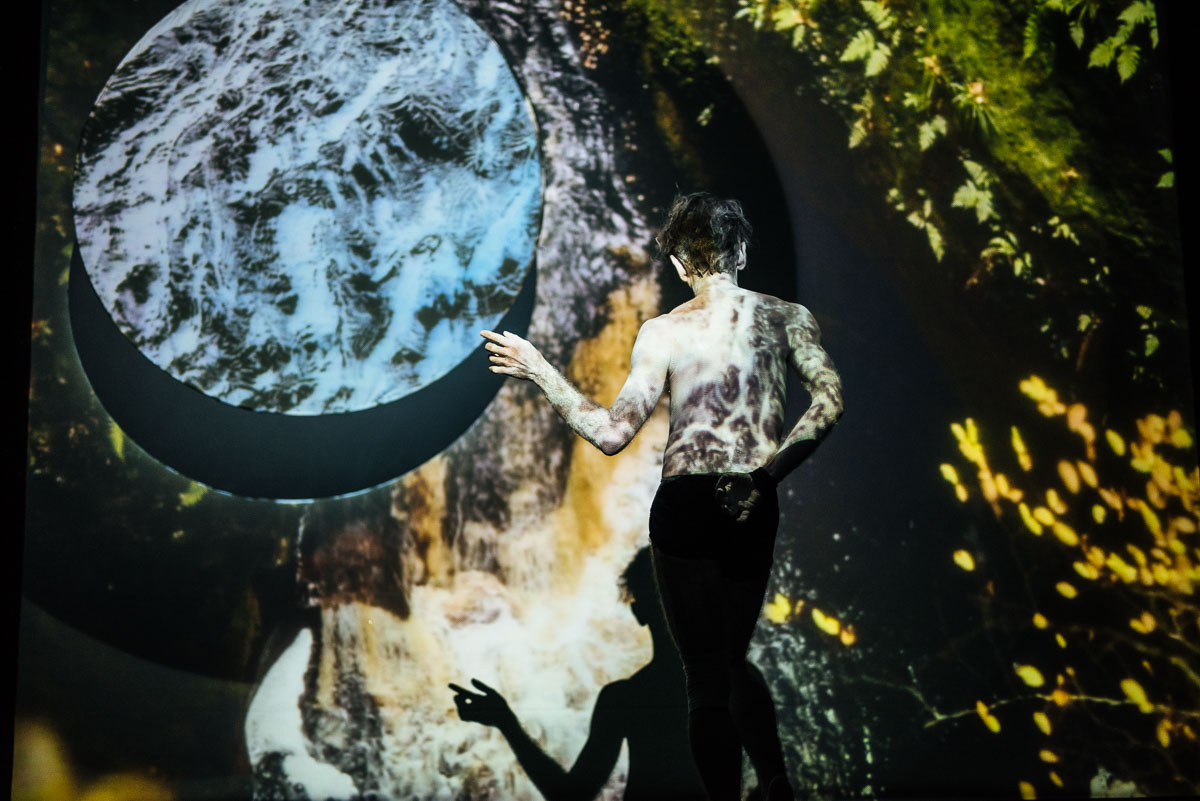
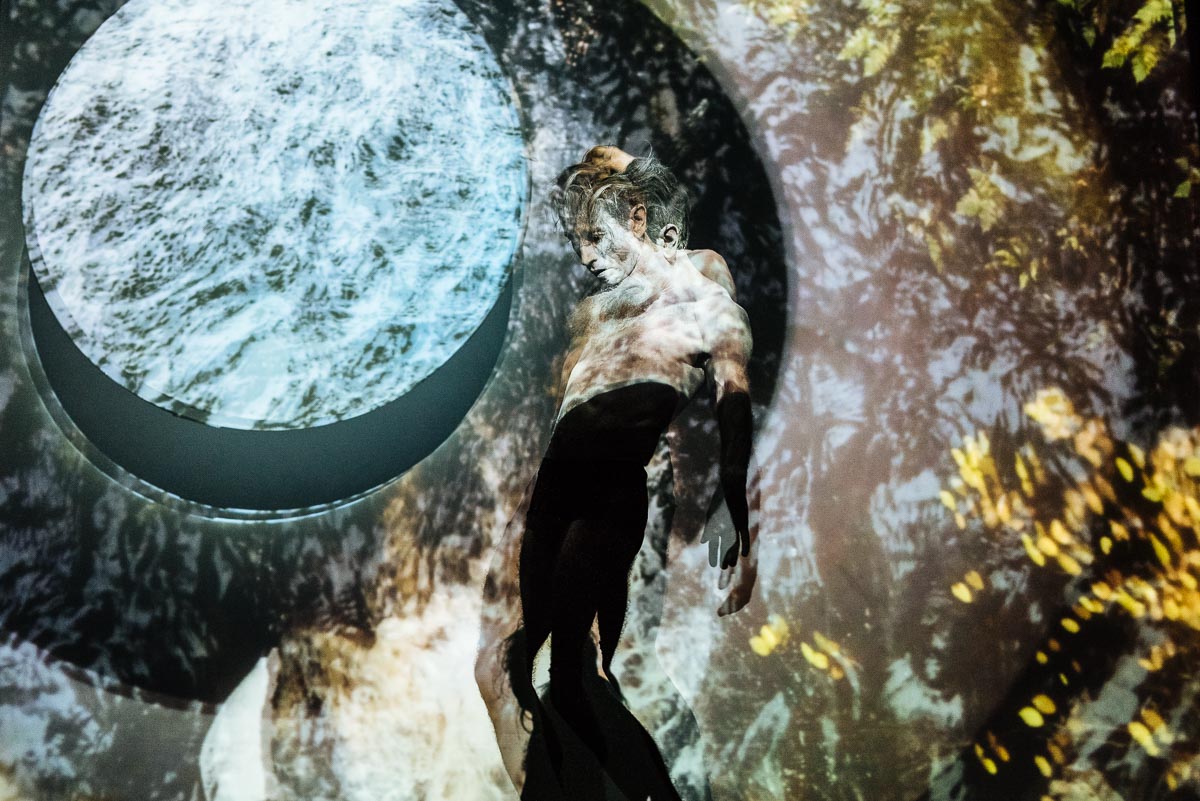
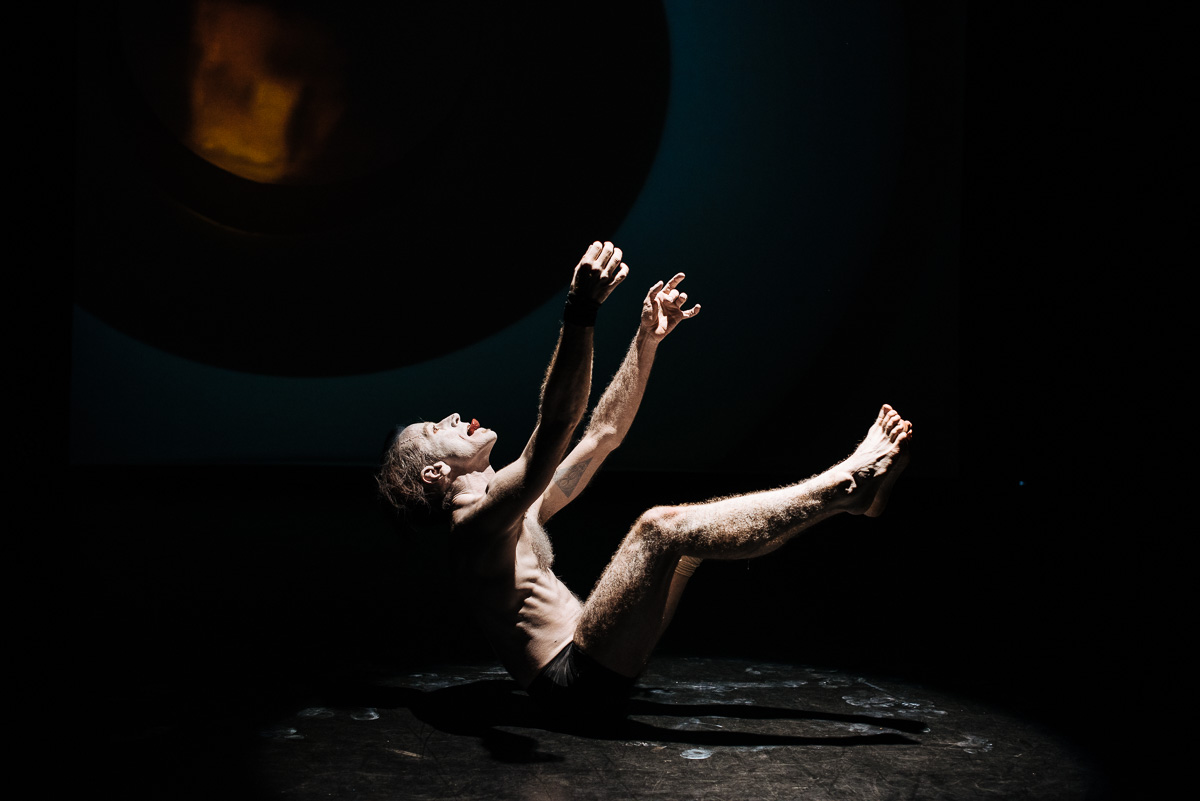
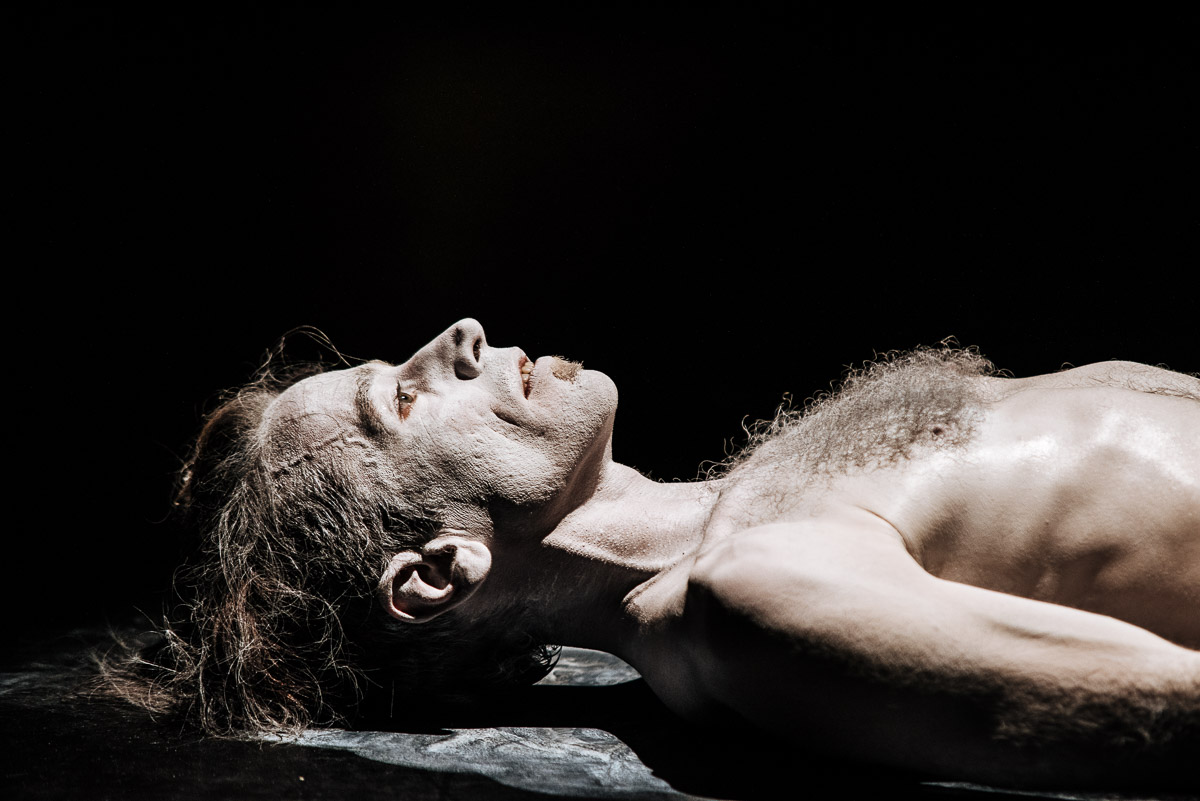
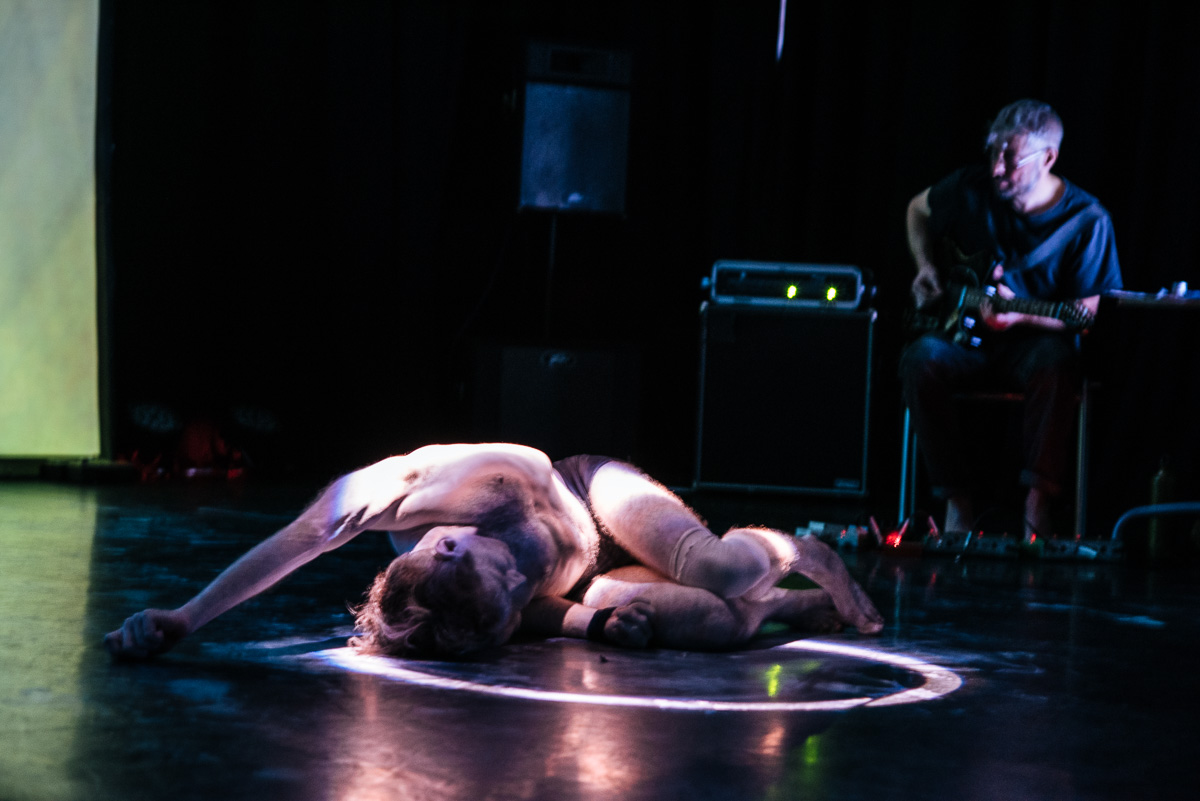
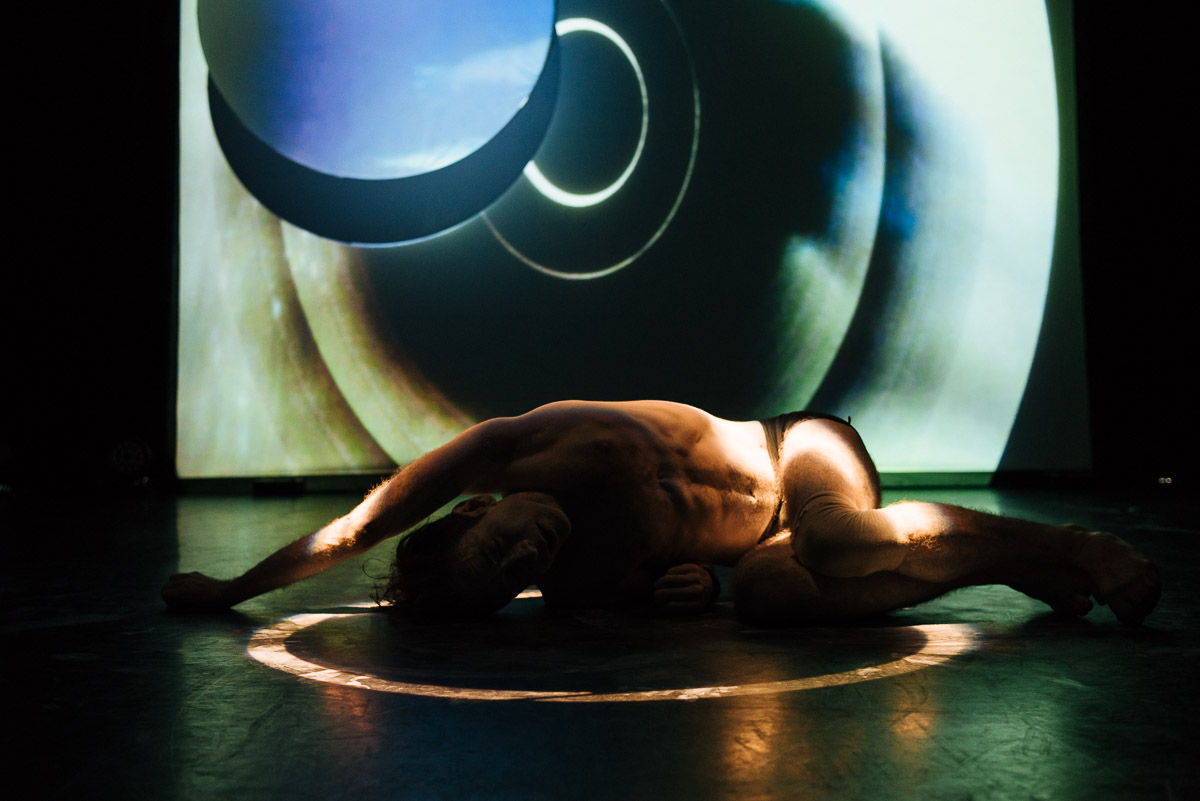
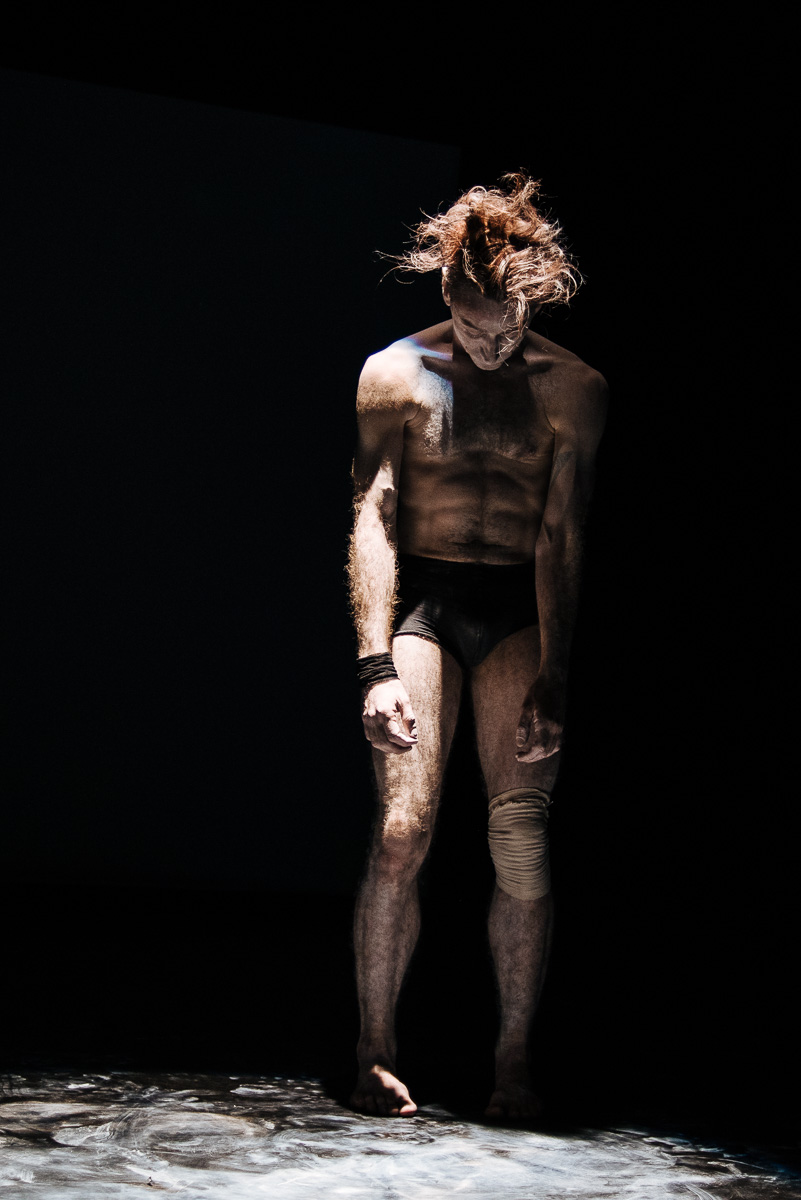
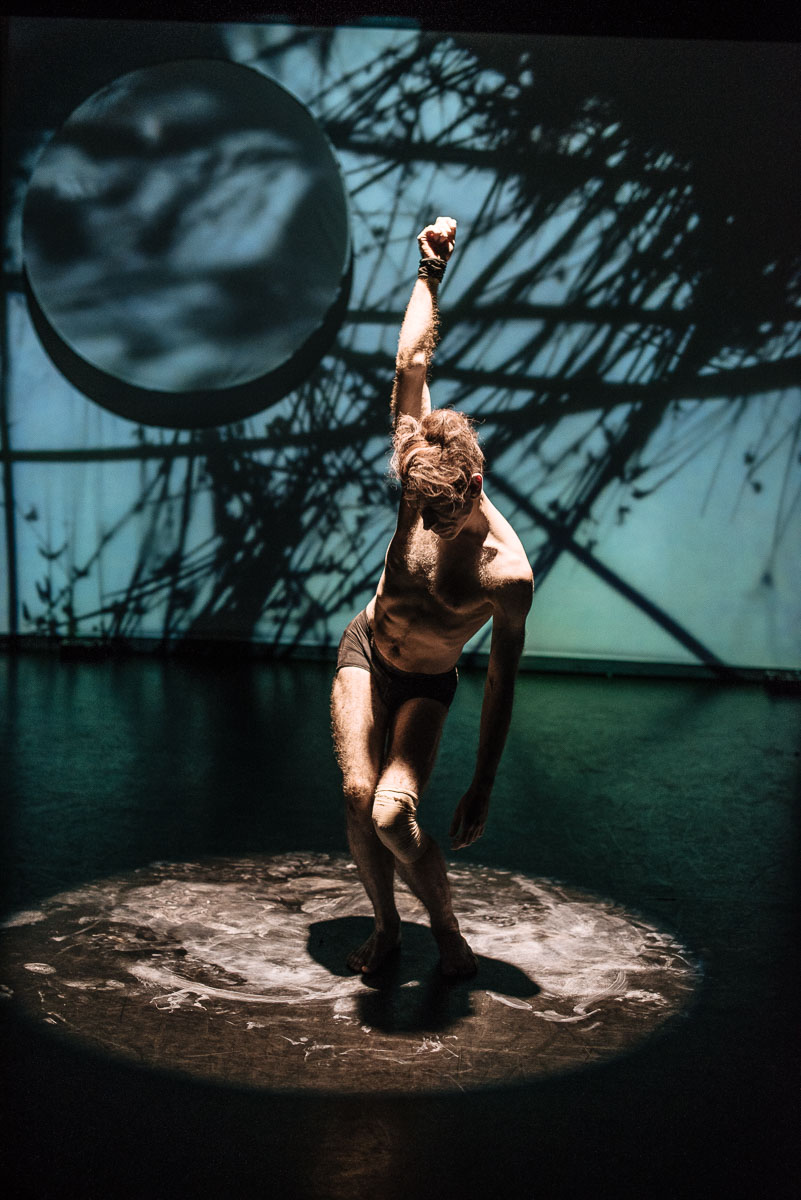
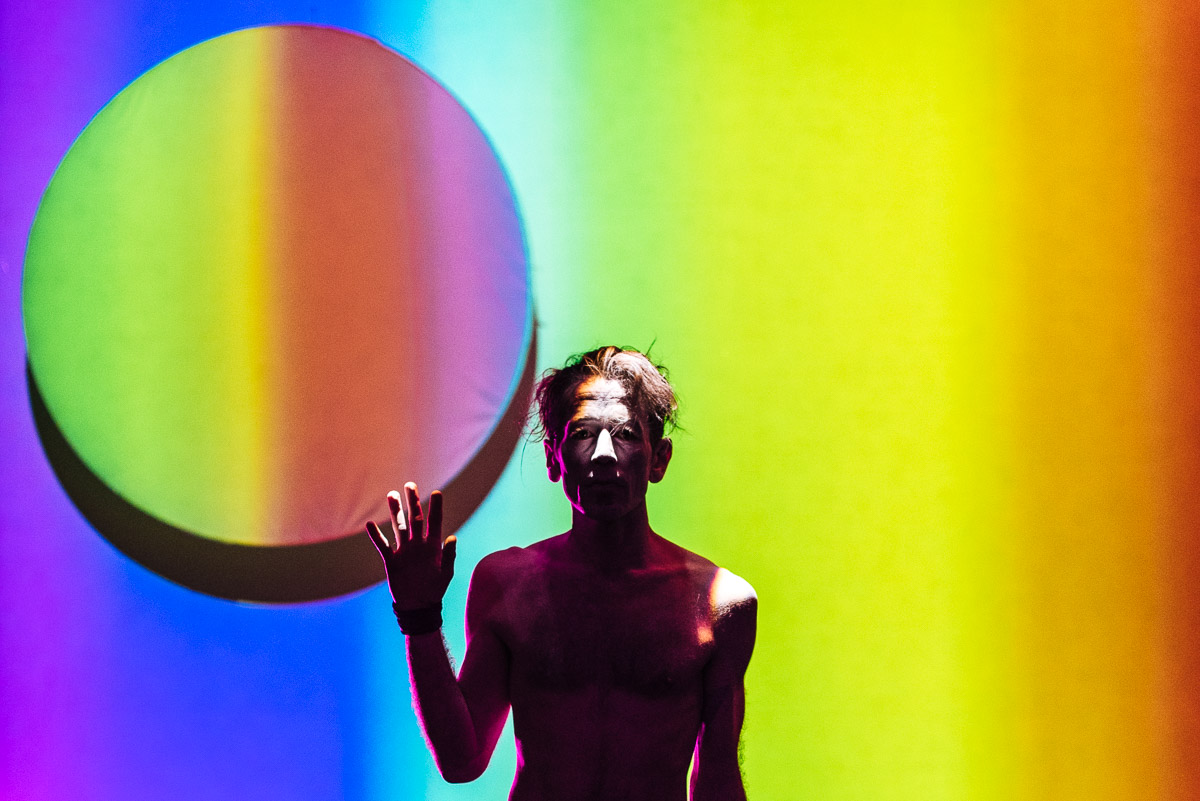
SHRIMP DANCE is a live performance fusing Butoh dance with live music, text and video art. It’s a collaboration with marine biologist Professor Alex Ford (University of Portsmouth). Professor Ford found anti-depressants entering the sea through human waste are affecting the behaviour of shrimp. High levels of Prozac are causing shrimp to abandon their shadowy habitat and swim towards the light where they’re often eaten.
SHRIMP DANCE broadens this research into a far-reaching comment on the medicalisation of profound sadness, linking our inner isolation to the havoc we’re wreaking in the world at large (waste, ecocide, consumer capitalism and extreme inequality).
The larger theme of the piece is what consumer capitalism is doing to our mental health and the health of the planet itself. However, SHRIMP DANCE aims to be ultimately hopeful: The very tablets we take to soothe our loneliness show us, through the most earthy means (sewage, animal life), our real power and belonging as ecological beings if we can only wake up to it.
Produced with support from Creative Scotland, Dance Base, the Work Room and Platform Glasgow.
Press
“This performance is that often rare instance of a multi-disciplinary production that feels organically fused together with a unifying aesthetic… The body cannot lie, and Henry attacks the challenge of moving with uncompromising intention with rigour. Henry is accompanied by musician Jer Reid on droning electric guitar and live visuals from Jamie Wardrop. Projections move between organic and inorganic, between waterfalls and the tile-lined pool Henry is seen submerging himself in. A piece about depression, medication and our effect on the environment, it’s a loud yet nonetheless meditative piece of theatre.”
— The Skinny (⭐⭐⭐⭐)
“A hypnotic hour of dance drama. The themes explored are huge: ecological crisis, mental health and consumerism, yet the moves are minute and precise – the sheer range, expressiveness and emotional impact of these are a testament to Henry’s considerable skill… Utterly compelling — the astonishingly talented Henry has much to say.”
— Glasgow Theatre Blog
“A weighty, at times disturbing, meditation on a deeply troubling phenomenon.”
— Disability Arts Online
“The performance sees him moving like a somnambulist, eyes closed as though in a trance, body flailing as he tries to stay upright. He veers from sheer terror to anxiety to acceptance, almost akin to going through stages of grief… Paul Michael Henry’s new dance has the kind of quietude that unnerves and provokes in equal measure.”
— Lorna Irvine (The List / Exuent)